October 05, 2026
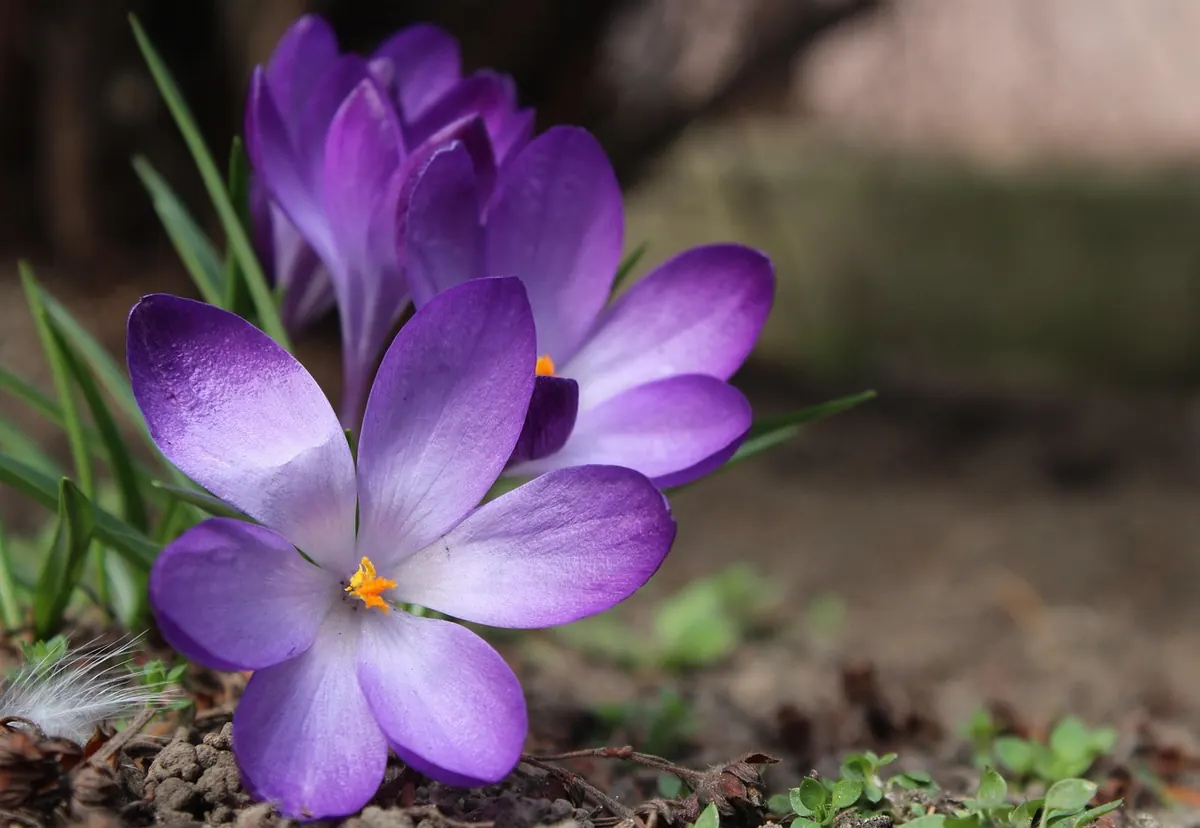
Saffron has a reputation for being difficult, but the plant itself is modest: a small autumn crocus that wants sun, sharp drainage and a little patience. Most home crops fail for the same handful of reasons, and nearly all of them are fixable, often in the same season. If your corms turned soft, your flowers never appeared, or your threads taste faintly of hay, one of the mistakes below is usually to blame.
Mistake one: planting the corms too shallow
Saffron corms belong 10 to 15cm below the surface, which is deeper than most people expect. Shallow planting is the most common cause of a disappointing first autumn. The corms heave out of the ground with the first hard frost, dry out at the shoulders, and produce small, pale flowers or none at all.
Orientation matters just as much. A corm has a flat base where the roots emerge and a pointed tip that sends up the shoots. Pointed end up, flat base down, spaced roughly 10 to 15cm apart so the fine foliage has room to grow without tangling. In a pot, choose something at least 20cm deep and plant to the same depth.
Already planted them too high?
Leave them be. Lifting a corm while it is rooting does more harm than good. Cover the bed with a 5cm mulch of grit or spent compost to protect the shoulders through winter, then replant deeper during the summer dormancy, once the leaves have yellowed and died back.
Mistake two: overwatering and soggy soil
Saffron grows wild on dry, stony hillsides, and it hates wet feet. The rhythm it wants is simple: steady moisture while it is growing, from autumn through late spring, and near-drought while it is dormant in summer. In much of Britain, rainfall supplies the first part and you supply the second by doing nothing at all.
Waterlogging is what kills corms. Telltale signs include leaves that yellow and collapse from the base upwards, a sour smell in the pot, corms that feel soft or hollow when pressed, and a plant that flowered beautifully in year one and never came back.
Fixes are straightforward. Dig in plenty of horticultural grit before planting, grow in a raised bed if your soil is heavy clay, and use pots with generous drainage holes and no standing saucer. If you are growing in containers, water only when the top few centimetres of compost feel dry. A thirsty-looking saffron plant in July is not thirsty — it is asleep.
Mistake three: planting at the wrong time of year
Corms go in during late summer: late August through the first fortnight of September is the sweet spot across most of the UK. That gives them several weeks to root before flowering in October and November. Planted in spring, they sit in cool, wet soil for months, which invites rot, and they will usually skip that first autumn altogether. If you have bought corms in spring, keep them somewhere cool, dark and dry, and wait until late summer to plant them.
Mistake four: harvesting too late in the day
Saffron flowers open at first light and are at their best for a few hours. Pick them in the morning, ideally before the sun has fully opened the petals. Take the whole flower indoors, spread the blooms on a sheet of paper, and remove the three red stigmas with tweezers or small scissors. Snip where the red turns yellow; the yellow style carries very little aroma and adds bulk without adding flavour.
Leave it until the afternoon and the flowers will be limp and the threads sticky and awkward to separate. Leave it a day and you may find them scattered on the soil instead.
Mistake five: drying and storing the threads badly
Fresh saffron is damp, and it will go mouldy if you seal it straight into a jar. It also loses much of its perfume if you dry it with too much heat. A hot oven turns a decent crop into something resembling dusty hay.
- Spread the threads thinly on kitchen paper or a plain plate.
- Dry them somewhere warm, dark and well ventilated for a few days; an airing cupboard is ideal, and a dehydrator on its lowest setting works too.
- They are ready when they feel crisp and snap rather than bend.
- Store in a small airtight glass jar in a dark cupboard and use within a year or two, before the colour fades.
Mistake six: cutting the leaves early and lifting the corms too often
After flowering, saffron sends up a tuft of fine green leaves that stays through winter and spring. Those leaves are the corm's factory, converting sunlight into the energy store that produces next year's flowers. Cut them back while they are still green and you are effectively cancelling the following season.
Let the foliage yellow and collapse on its own, usually in late spring or early summer, then leave the corms where they are. A patch can stay undisturbed for three to five years. When flowering thins out, lift the clump during summer dormancy, break it apart, and replant the largest corms where you want them. The small offsets can go into a nursery pot for a year or two until they are big enough to flower.
A season-long reset: work through the list before buying new corms
- No flowers at all: the corms were too small, planted too late or sitting in shade. Buy the plumpest corms you can find, and give them full sun.
- Flowers in year one, nothing since: almost always waterlogging or foliage removed too soon.
- Soft, hollow corms: rot. Bin them, improve drainage with grit, and start again in late summer.
- Corms dug up or vanished: mice, squirrels and birds are all fond of them. Cover the bed with netting or mesh, or grow in pots.
- Threads with little scent: dried too hot, or stored in light where the colour bleaches.
Saffron rewards patience more than skill. Keep the soil lean and free-draining, plant deep in late summer, leave the leaves alone until they die back, and pick the flowers the morning they open. Do those four things and the patch will look after itself for years, with a small autumn harvest that costs you nothing but a few minutes with a pair of tweezers.